
 All Stories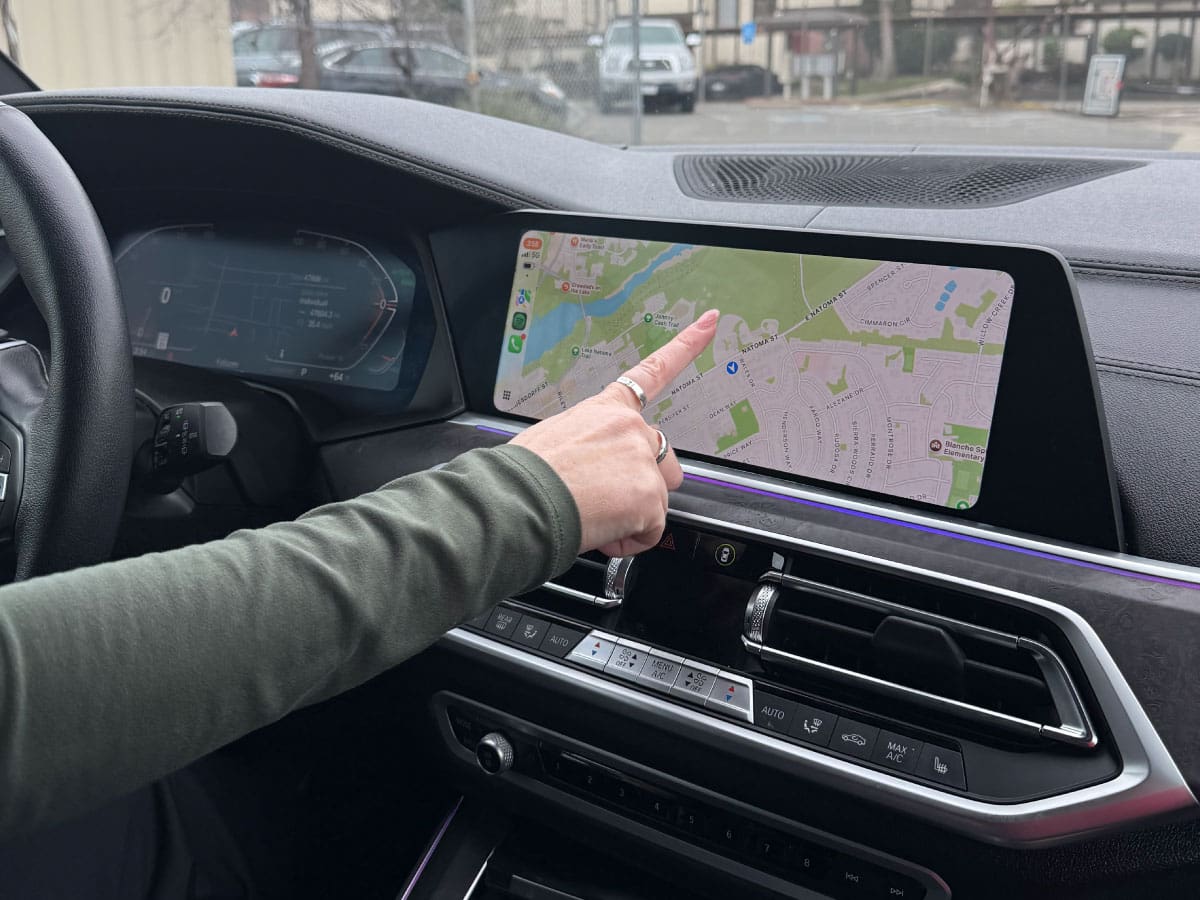
At CMA, we live by one guiding principle: We Discover What’s Next.
That is not always easy.
Shopping center developers have traditionally taken a wait and see approach to new marketing initiatives. Historically, that caution made sense. But in today’s digital environment, things move far too fast to wait. Visibility is no longer something you can afford to adopt later.
One shift we are seeing firsthand is the rapid rise of Apple Maps.
I use Apple CarPlay daily, and Apple Maps is always the platform that appears first. That was not always the case. Google once dominated that space, but the landscape has changed. While Google is still essential, Apple Maps has moved into a leading position, especially in vehicles.
What stands out most is this: Apple Maps clearly prioritizes businesses that are properly set up on the backend and actively investing in the platform. Those locations surface first. Those locations get the traffic.
For years, shopping center marketing revolved around signage, leasing brochures, and traditional digital advertising. Today, discovery happens very differently. Consumers now find shopping centers on mobile screens, through voice commands, and inside their vehicles, often before they ever open a traditional search engine.
Search itself is evolving. AI platforms are reshaping how people look for information, while Apple Maps is redefining how people navigate the real world. The smartest strategy is not choosing one platform over another but using them together so your property is not left behind.
This shift has elevated Apple Maps into a must have marketing channel for shopping center developers. With millions of Californians relying on iPhones, Siri, Apple CarPlay, and Apple Watch every day, Apple Maps is quietly influencing where people shop, dine, and spend time. Here are seven reasons it deserves a permanent place in your future marketing plans.

1. Apple Maps Is the Default for iPhone Users
Apple users consistently skew toward higher household incomes and strong brand loyalty. For shopping centers seeking premium tenants and high spending shoppers, Apple Maps connects your property with an audience that visits more often and spends more when they do.
In competitive California markets, that distinction matters.
3. Discovery Goes Beyond Directions

Apple Maps is no longer just a navigation tool. A properly optimized shopping center listing can showcase your center’s name and branding, anchor tenants and categories, photos and visual identity, operating hours, and nearby points of interest.
Apple Maps becomes a digital storefront for the entire property.
4. Voice Search Is Growing and Apple Owns It
As voice search adoption continues to grow, Apple Maps becomes even more critical. Siri relies exclusively on Apple Maps data.
When drivers, pedestrians, or mobile users ask voice based questions, only destinations optimized within Apple Maps appear in results. Shopping centers that ignore this channel are effectively invisible in a rapidly expanding segment of local search.
5. A Strong Apple Maps Presence Benefits Tenants
An optimized Apple Maps profile benefits more than just the shopping center. It supports every tenant within it.
Accurate location data, clear navigation, and improved visibility translate into increased foot traffic, better customer experiences, and stronger tenant satisfaction. For developers, Apple Maps optimization becomes a tenant support asset, not just a marketing tactic.
6. Apple CarPlay Is Changing How Shoppers Decide Where to Go
Apple CarPlay is now standard in most new vehicles. That means many shopping and dining decisions are made while consumers are already on the road.
Apple Maps places shopping centers directly into that decision making moment by surfacing nearby destinations and providing seamless navigation. This is especially impactful for centers near highways, commuter routes, and suburban corridors.

7. Apple Is Investing Heavily in the Future of Maps
Apple continues to invest billions into its mapping technology, including enhanced city views, improved place data, and more immersive location experiences.
Shopping centers that establish and optimize their Apple Maps presence now will benefit from these innovations without having to play catch up later.
Why This Matters for California Developers
California is one of the most competitive retail environments in the country. The developers who succeed are those who think beyond traditional marketing and embrace platforms that influence real world behavior.
Apple Maps is no longer optional. It is a visibility engine, a tenant support tool, and a foot traffic driver.
As consumer discovery continues to shift toward mobile, voice, and in car experiences, shopping centers that appear where decisions are made will win.
Apple Maps is not the easiest platform to set up correctly, but when it is done right, the rewards are clear.
That is where CMA comes in.
Give us a call and let us help you navigate what’s next.
AUTHOR
Kim Kelley, Marketing Guru

Kim Kelley is the founder of Creative Marketing Arts, a California-based marketing agency specializing in digital strategy, experiential events, and community-driven campaigns. With over 30 years in the shopping center industry, Kim blends creative ideas with data-driven marketing to deliver innovative solutions for REIT advertising and brand engagement. With an eye for detail and a passion for results, she helps clients discover Out of the Box strategies that connect with audiences and build loyalty.
CMA partners with local and national brands to create meaningful connections that inspire action. The full service marketing agency proudly supports community causes, including the Homeless Assistance Resource Team (HART) and the Sacramento SPCA, by donating a portion of proceeds from every event to help families and animals in need.